


- Introduction
- What Is the Ebola Virus?
- Origins and Discovery of Ebola Virus
- Ebola Outbreaks History Timeline
- How Does Ebola Virus Spread?
- Ebola Contagious Period: When Can Infection Spread?
- Early Warning Signs: Recognizing Symptoms Quickly
- Why Ebola Virus Causes Severe Disease
- How Ebola Virus Is Diagnosed
- Ebola Supportive Treatment Care
- Vaccines and Prevention Strategies
- Public Health Lessons from Past Ebola Outbreaks
- Ebola Awareness Action Steps for Individuals
- Common Myths About Ebola Virus
- The Future of Ebola Research
- Current Global Situation
- Where India Stands
- Conclusion
- FAQs
Introduction
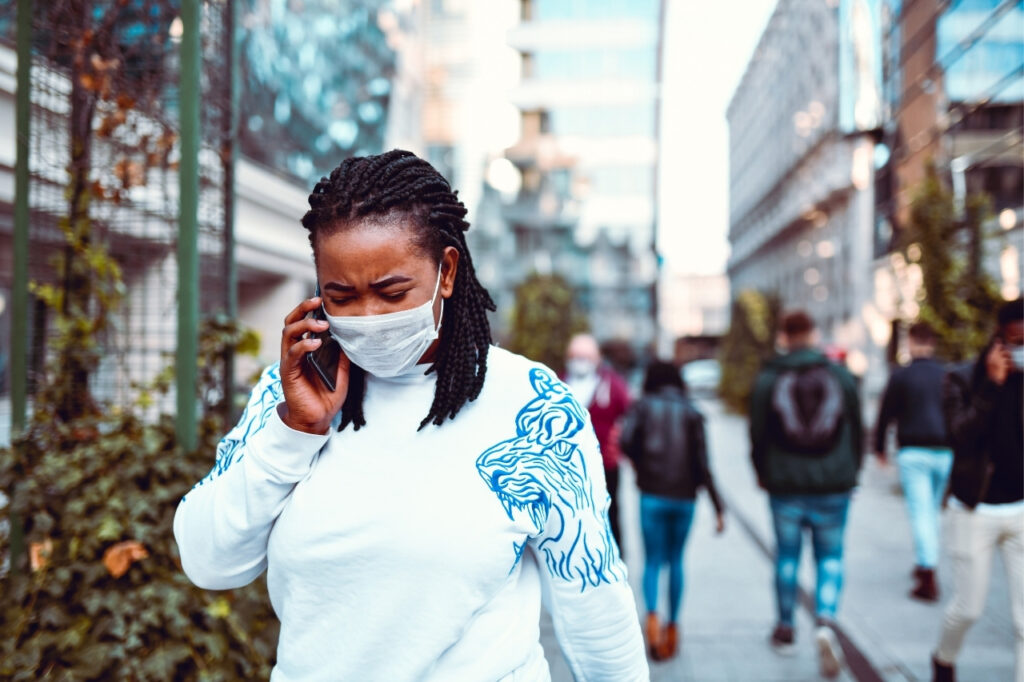
The Ebola Virus remains one of the most feared infectious diseases in modern public health history. Although outbreaks are relatively rare compared to illnesses such as influenza or COVID-19, the severity of infection and high fatality rates have made the disease a global concern. Since it was first identified in 1976, the Ebola Virus has caused multiple outbreaks, particularly in parts of Africa, leading to significant loss of life and placing immense pressure on healthcare systems.
Public awareness about the Ebola Virus is essential because misinformation often spreads faster than facts. Understanding how the disease spreads, recognizing its symptoms early, and knowing the preventive measures that can reduce risk are critical steps in protecting communities. While major advances in medical science have improved outbreak response and patient survival, vigilance remains necessary.
This article explores the origins of the Ebola Virus, its transmission patterns, symptoms, treatment approaches, historical outbreaks, and the practical lessons learned from decades of global health efforts. By understanding the science behind the disease, individuals can make informed decisions and contribute to better public health awareness.
What Is the Ebola Virus?
The Ebola Virus belongs to the Filoviridae family, a group of viruses known for causing severe hemorrhagic fever in humans and non-human primates. The disease caused by the virus is known as Ebola Virus Disease (EVD).
Scientists suspected that fruit bats serve as the natural reservoir of the Ebola Virus. From animals, the virus can spread to humans through direct contact with infected blood, tissues, or bodily fluids. Once human infection occurs, transmission between people becomes possible through close contact with infected body fluids.
The Ebola Virus is not a new disease, but its ability to trigger severe outbreaks has made it one of the most closely monitored infectious diseases in the world.
Key Facts About Ebola Virus
| Feature | Details |
| Disease Name | Ebola Virus Disease (EVD) |
| First Identified | 1976 |
| Virus Family | Filoviridae |
| Natural Reservoir | Fruit bats (suspected) |
| Primary Transmission | Contact with infected body fluids |
| Mortality Rate | Varies by outbreak and strain |
| Vaccine Availability | Available for certain Ebola strains |
Origins and Discovery of Ebola Virus
The Ebola Virus was first identified during simultaneous outbreaks in what is now the Democratic Republic of the Congo and Sudan. The virus was named after the Ebola River, located near one of the first documented outbreak sites.
The discovery highlighted the dangers posed by emerging infectious diseases and underscored the importance of surveillance systems capable of detecting unusual illness patterns. Since then, researchers have spent decades studying the virus to understand its biology, transmission pathways, and impact on human health.
Ebola Outbreaks History Timeline
Understanding the Ebola outbreaks history timeline provides valuable insight into how public health responses have evolved over time.
1976: First Recorded Outbreaks
The first known outbreaks occurred in Sudan and the Democratic Republic of the Congo. Hundreds of cases were reported, and mortality rates were extremely high.
1995: Kikwit Outbreak
A significant outbreak occurred in Kikwit.
2000–2001: Uganda Outbreak
Uganda experienced one of the largest Ebola outbreaks at the time, prompting extensive public health interventions and community awareness campaigns.
2014–2016: West Africa Epidemic
The largest Ebola epidemic in history affected Guinea, Liberia, and Sierra Leone. More than 28,000 cases were reported, transforming global preparedness efforts and accelerating vaccine development.
2018–2019: Democratic Republic of the Congo
This outbreak demonstrated both the challenges and successes of modern outbreak control. Vaccination programs and improved surveillance helped limit wider spread.
Recent Monitoring Efforts
Health authorities continue to monitor for new outbreaks and respond rapidly when cases emerge. Improved diagnostics and international cooperation have strengthened containment capabilities.
How Does Ebola Virus Spread?
One of the most important aspects of disease prevention is understanding Ebola transmission body fluids and how exposure occurs.
The Ebola Virus spreads through direct contact with:
- Blood
- Saliva
- Vomit
- Urine
- Feces
- Sweat
- Semen
- Breast milk
- Other bodily secretions
The virus may also spread through contact with contaminated surfaces, medical equipment, bedding, or clothing that have been exposed to infected fluids.
What Does Not Spread Ebola?
Contrary to common myths, the Ebola Virus does not spread through:
- Casual social interaction
- Air conditioning systems
- Drinking water
- Mosquito bites
- Food that has not been contaminated
Understanding these distinctions helps reduce panic and encourages evidence-based preventive behavior.
Ebola Contagious Period: When Can Infection Spread?
A common question during outbreaks concerns the Ebola contagious period. An infected person does not typically spread the virus before symptoms develop. Transmission becomes possible once symptoms appear and increases as the illness progresses.
The Ebola contagious period generally includes:
- Active symptomatic illness
- Severe stages of infection
- Certain recovery phases where virus persistence may occur in specific body fluids
Research has shown that viral material may remain in some body fluids even after recovery, which is why survivors often receive guidance regarding follow-up monitoring and preventive measures.
This understanding has improved public health recommendations and reduced the risk of further transmission.
Early Warning Signs: Recognizing Symptoms Quickly

Recognizing Ebola early symptoms fever fatigue can help individuals seek medical care promptly and improve outbreak containment efforts.
Early Symptoms
The initial symptoms often resemble those of many common infections.
These may include:
- Fever
- Fatigue
- Weakness
- Headache
- Muscle pain
- Joint pain
- Sore throat
Because these symptoms are non-specific, early diagnosis can be challenging.
Progressive Symptoms
As the disease advances, symptoms may include:
- Severe vomiting
- Diarrhea
- Stomach pain
- Skin rash
- Liver dysfunction
- Kidney dysfunction
Severe Symptoms
In some cases, patients may develop:
- Internal bleeding
- External bleeding
- Organ failure
- Shock
Prompt medical evaluation is critical whenever Ebola exposure is suspected.
Why Ebola Virus Causes Severe Disease
The Ebola Virus affects multiple systems within the body. After entering the bloodstream, the virus attacks immune cells and interferes with the body’s ability to mount an effective defence. This disruption can trigger widespread inflammation, blood vessel damage, and organ dysfunction.
The severity of disease depends on several factors:
- Viral strain
- Patient age
- Underlying health conditions
- Access to medical care
- Timing of treatment
Early supportive care significantly improves survival outcomes.
How Ebola Virus Is Diagnosed
Accurate diagnosis is essential during outbreaks.
Healthcare professionals may use:
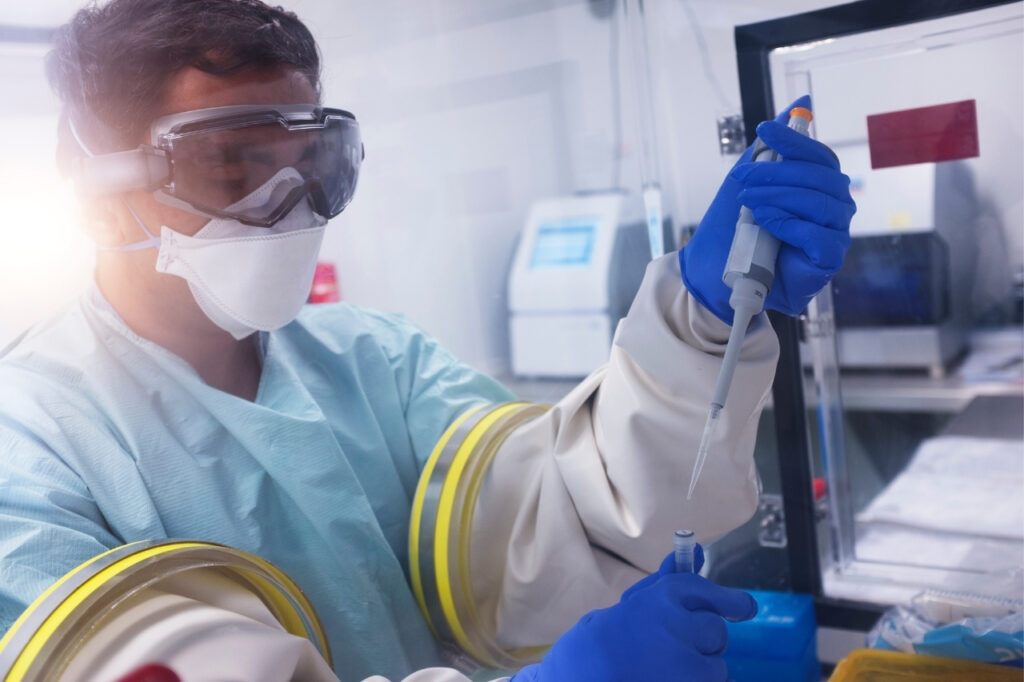
Laboratory Testing
- Polymerase Chain Reaction (PCR)
- Antigen detection tests
- Antibody testing
- Viral isolation techniques
Clinical Assessment
Doctors also evaluate:
- Travel history
- Exposure history
- Symptom progression
- Contact with infected individuals
Rapid testing capabilities have improved dramatically since earlier outbreaks.
Ebola Supportive Treatment Care
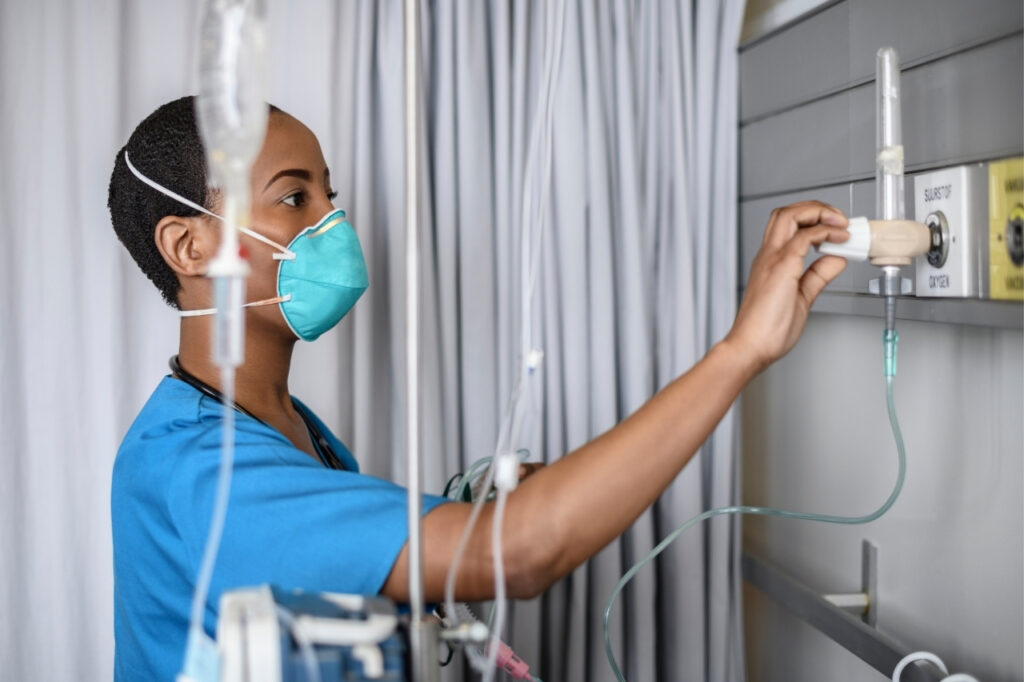
Currently, management focuses heavily on Ebola supportive treatment care, which aims to stabilize patients and support recovery.
Fluid Replacement
Severe vomiting and diarrhea can lead to dangerous dehydration. Intravenous fluids help maintain hydration and electrolyte balance.
Oxygen Support
Some patients require oxygen therapy to support respiratory function.
Blood Pressure Management
Monitoring and stabilizing blood pressure can help prevent complications.
Nutritional Support
Adequate nutrition supports immune function and recovery.
Infection Prevention
Strict infection control procedures protect healthcare workers and prevent transmission within healthcare facilities.
Advanced Therapies
Recent years have seen the development of targeted therapies and monoclonal antibody treatments that improve survival when administered appropriately.
Vaccines and Prevention Strategies
One of the most important achievements in Ebola control has been vaccine development. Vaccination campaigns have helped reduce transmission during outbreaks and protect high-risk populations.
Prevention Measures
Key preventive measures include:
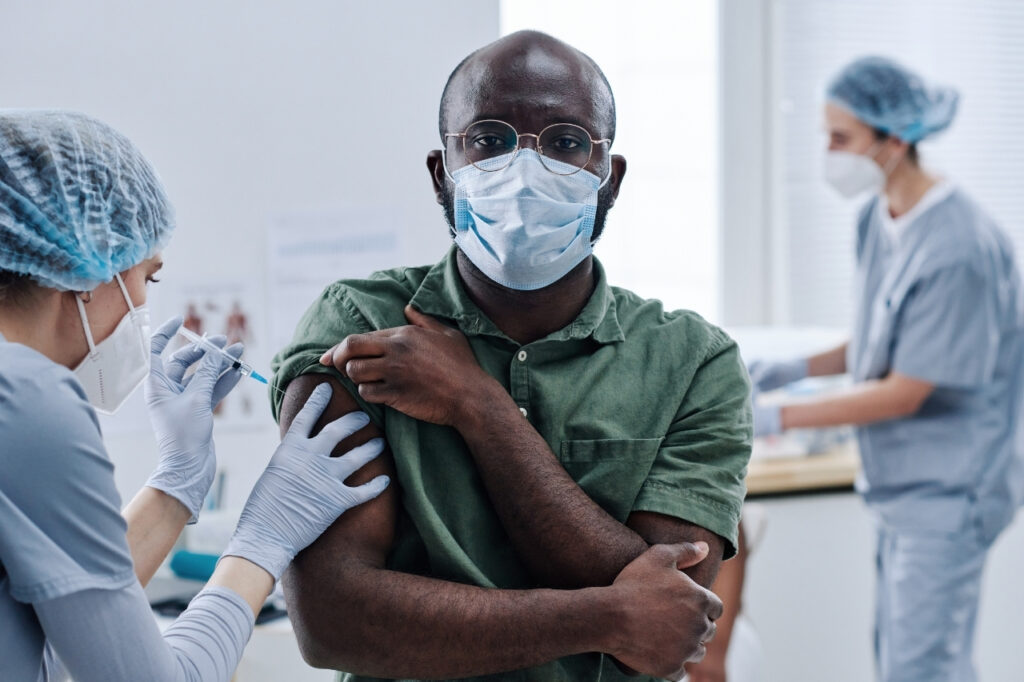
- Avoiding contact with infected body fluids
- Practicing hand hygiene
- Using personal protective equipment
- Following public health guidance
- Reporting symptoms promptly
- Supporting outbreak surveillance programs
Community participation remains a cornerstone of outbreak prevention.
Public Health Lessons from Past Ebola Outbreaks
Every outbreak has contributed valuable lessons.
Early Detection Matters
Rapid identification of cases significantly improves containment success.
Community Trust Is Essential
Public cooperation enhances contact tracing, treatment, and vaccination efforts.
Healthcare Worker Protection Saves Lives
Proper training and protective equipment reduce occupational exposure.
Global Collaboration Works
International partnerships accelerate research, resource deployment, and outbreak control.
Strong Health Systems Improve Outcomes
Countries with stronger surveillance and healthcare infrastructure are better positioned to respond effectively.
Ebola Awareness Action Steps for Individuals
Promoting Ebola awareness action steps helps strengthen community preparedness.
Understand Transmission Risks
Knowing how the virus spreads reduces unnecessary fear and promotes evidence-based precautions.
Practice Good Hygiene
Frequent handwashing remains one of the simplest and most effective preventive measures.
Seek Medical Care Promptly
Early medical evaluation is essential for anyone experiencing symptoms after potential exposure.
Common Myths About Ebola Virus
| Myth | Facts |
|---|---|
| Myth 1: Ebola Spreads Through Air | The Ebola Virus is not considered an airborne disease under normal circumstances. |
| Myth 2: Everyone Infected Dies | While Ebola can be severe, survival rates have improved significantly with better medical care. |
| Myth 3: Casual Contact Always Causes Infection | Transmission generally requires direct contact with infected bodily fluids. |
| Myth 4: Outbreaks Cannot Be Controlled | Recent experiences demonstrate that vaccination, surveillance, and public health interventions can successfully contain outb |
The Future of Ebola Research
Scientists continue to study the Ebola Virus to improve prevention and treatment strategies.
Key research areas include:
- New vaccines
- Improved diagnostic tools
- Antiviral therapies
- Long-term survivor health
- Enhanced outbreak prediction systems
Advances in these fields may help reduce the impact of future outbreaks and strengthen global health security.
Current Global Situation
The international medical community is actively tracking a localized Ebola outbreak centered in the Democratic Republic of the Congo and Uganda. This specific wave is driven by the rare Bundibugyo strain, a subtype for which there are no currently approved vaccines or antiviral drugs. Because of these unique parameters, global health teams are successfully relying on classic containment methods like direct contact tracing, strict physical isolation, and basic hygiene to stop transmission chains at the source.
Where India Stands
The overall risk of this Central African outbreak reaching or impacting India remains exceptionally low. The country operates a strict “prevention at the gate” border strategy, enforcing mandatory thermal screening for all incoming travelers arriving from affected zones at international airports and seaports. Furthermore, if a traveler shows signs of a fever, India’s experienced healthcare networks and premier research facilities are equipped to immediately isolate and manage the case safely inside a controlled hospital environment.
Conclusion

The Ebola Virus remains a serious infectious disease, but decades of research and public health experience have transformed the way the world responds to outbreaks. Understanding Ebola transmission body fluids, recognizing Ebola early symptoms fever fatigue, and knowing the Ebola contagious period are essential for reducing risk and supporting effective outbreak control.
The Ebola outbreaks history timeline demonstrates how science, healthcare systems, and international cooperation have evolved in response to this challenging disease. While no community is completely immune to emerging infectious threats, education and preparedness can significantly improve outcomes.
By following practical Ebola awareness action steps, supporting public health initiatives, and staying informed through credible sources, individuals can contribute to a safer and more resilient future.
Awareness is one of the strongest tools in disease prevention. Stay informed about emerging health threats, follow trusted public health guidance, and prioritize preventive healthcare practices. Emerging infectious diseases don’t always make front-page news. Learn what you should know about Hantavirus at Capitalist Health.
FAQs
What is the Ebola incubation period?
The Ebola incubation period is typically between 2 and 21 days. Most people develop symptoms within 8 to 10 days after exposure. Individuals are not considered contagious until symptoms begin.
How is Ebola transmitted from person to person?
Ebola spreads through direct contact with the blood, body fluids, or contaminated objects of an infected person. It does not spread through casual contact or through the air under normal conditions.
What should I do if I think I have Ebola?
If you suspect Ebola exposure and develop symptoms such as fever, fatigue, or vomiting, seek immediate medical attention. Avoid close contact with others and follow local public health guidance.
Can Ebola be cured?
There is no single guaranteed cure for Ebola, but early medical care, supportive treatment, and approved therapies can significantly improve survival rates and help manage complications effectively.
What countries have Ebola right now?
Ebola outbreaks vary over time. Most cases occur in parts of Central and East Africa. For the latest outbreak information, check updates from the World Health Organization (WHO) or national health authorities.

Written By: CPH Editorial Team
Medically Reviewed By: Dr Ananya Adhikari


