
- Introduction
- What Is Type 1 Diabetes?
- What Causes Type 1 Diabetes?
- Can Type 1 Diabetes Be Prevented?
- Understanding the Stages of Type 1 Diabetes
- What Does Prevention Mean Today?
- Early Signs of Type 1 Diabetes
- Type 1 Diabetes in Children
- Who Is Most at Risk?
- What Happens If It Is Not Diagnosed Early?
- Long-Term Impact of Type 1 Diabetes
- Type 1 Diabetes Treatment Today
- Practical Steps: What Can Be Done Today?
- The Future of Type 1 Diabetes Prevention
- Conclusion
- FAQs
Introduction

Type 1 diabetes is one of the most widely misunderstood chronic conditions today, not because it is rare, but because its causes and prevention are often oversimplified. Globally, an estimated 9.4 million people are living with Type 1 diabetes, with more than 500,000 new cases diagnosed each year, according to the International Diabetes Federation.
What is especially concerning is that over 3.4 million of those affected are adolescents, making early awareness critical. The incidence of Type 1 diabetes continues to rise steadily by 2–5% annually, even in regions where healthcare access is improving.
While many people associate Type 1 diabetes purely with autoimmune causes, the reality is broader. Current evidence shows that the condition develops through a complex interaction of genetics, immune system dysfunction, environmental exposures, viral triggers, and early-life influences. This makes it very different from lifestyle-driven conditions and much harder to predict or prevent.
In countries like India, delayed diagnosis remains a serious challenge. Many individuals, especially children, are first identified only when they develop diabetic ketoacidosis (DKA), a life-threatening complication that could often be avoided with timely recognition of type 1 diabetes symptoms.
This brings us to an important and often emotional question: Can Type 1 diabetes be prevented?
For many years, the answer was straightforward, it could not. But today, with advances in early screening and immune-based therapies, that answer is beginning to shift. Prevention may not yet be absolute, but early detection, delayed progression, and risk identification are changing how we understand and approach Type 1 diabetes.
What Is Type 1 Diabetes?
Type 1 diabetes is a chronic condition in which the body is unable to produce enough insulin, a hormone that plays a central role in energy regulation.
If you have Type 1 diabetes, your pancreas either does not make insulin or produces only very small amounts. Insulin allows glucose (sugar) from the bloodstream to enter the body’s cells, where it is used as fuel. Without insulin, glucose builds up in the blood instead of being used for energy, leading to persistently high blood sugar levels.
This imbalance affects nearly every system in the body and requires lifelong medical management.
Why Insulin Matters
- Helps glucose enter cells
- Provides energy for daily function
- Prevents harmful buildup of sugar in the blood
Without insulin, the body begins to break down fat and muscle for energy, leading to serious complications.
Type 1 vs Type 2 Diabetes
Understanding type 1 vs type 2 diabetes is essential for clarity:
| Feature | Type 1 Diabetes | Type 2 Diabetes |
| Cause | Immune-related + genetic + environmental | Lifestyle + metabolic |
| Insulin production | Very low or none | Present but not used effectively |
| Onset | Sudden | Gradual |
| Prevention | Not clearly possible | Often preventable |
| Treatment | Requires insulin | Lifestyle + medication |
Unlike Type 2, Type 1 diabetes is not caused by diet, inactivity, or weight gain. This distinction is important to reduce stigma and ensure timely diagnosis.
What Causes Type 1 Diabetes?

The exact type 1 diabetes causes are still being actively researched. What is clear, however, is that no single factor is responsible.
1. Genetic Predisposition
Certain gene, particularly those linked to immune system regulation, increase susceptibility. However:
- Many people with these genes never develop Type 1 diabetes
- Most diagnosed individuals have no family history
2. Immune System Dysfunction
In most cases, the immune system mistakenly attacks insulin-producing beta cells in the pancreas. This process can begin years before symptoms appear.
3. Environmental Triggers
Environmental factors appear to act as triggers in genetically susceptible individuals. These may include:
- Viral infections (especially enteroviruses)
- Changes in living environments
- Reduced exposure to natural microbes
4. Early-Life Influences
The development of the immune system in early childhood plays a key role. Factors under study include:
- Gut microbiome diversity
- Breastfeeding vs formula feeding
- Early antibiotic exposure
5. Nutritional and Hormonal Factors
Vitamin D levels, infant diet, and early nutrition patterns have been associated with risk, though not conclusively proven as causes.
In reality, Type 1 diabetes develops when multiple factors interact over time, making it difficult to predict or prevent entirely.
Can Type 1 Diabetes Be Prevented?
The Current Reality
At this time, Type 1 diabetes cannot be completely prevented, especially in the general population.
However, scientific understanding has evolved. Prevention is no longer viewed as a single outcome, but as a spectrum of possibilities.
Understanding the Stages of Type 1 Diabetes
Researchers now classify Type 1 diabetes into three stages:
Stage 1: Silent Autoimmunity
- Immune activity begins
- No symptoms
- Normal blood sugar
Stage 2: Early Metabolic Changes
- Blood sugar starts to rise
- Still no noticeable symptoms
Stage 3: Clinical Diagnosis
- Symptoms appear
- Insulin therapy becomes necessary
This staging is important because it shows that Type 1 diabetes develops long before it is diagnosed, creating a window for possible intervention.
What Does Prevention Mean Today?
Primary Prevention
Goal: Stop Type 1 diabetes before it starts.
- No proven methods yet
- Ongoing research worldwide
Secondary Prevention
This is where progress has been made.
In certain high-risk individuals:
- Disease progression can be delayed
- Immune therapies can slow beta-cell destruction
This does not eliminate Type 1 diabetes, but it can postpone its onset, which is a major breakthrough.
Tertiary Prevention
After diagnosis, the focus shifts to:
- Preserving remaining insulin production
- Reducing complications
Early Signs of Type 1 Diabetes
Recognizing early signs of Type 1 diabetes is critical for preventing emergencies.
Common Type 1 Diabetes Symptoms
- Excessive thirst
- Frequent urination
- Sudden weight loss
- Persistent fatigue
- Blurred vision
In Children
- Bedwetting after dryness
- Irritability or mood changes
- Abdominal pain
Emergency Warning
- Fruity-smelling breath (possible diabetic ketoacidosis)
These type 1 diabetes symptoms often appear quickly and should never be ignored.
Type 1 Diabetes in Children
Type 1 diabetes in children is particularly important because of its rapid onset.
- Most common between ages 5–9 and 10–14
- Often misdiagnosed initially
- Higher risk of complications if delayed
Early detection allows timely type 1 diabetes treatment and prevents serious outcomes.
Who Is Most at Risk?
Risk factors for Type 1 diabetes include:
- Family history
- Presence of autoantibodies
- Certain genetic profiles
- Geographic trends
However, it is important to understand:
Most individuals diagnosed with Type 1 diabetes have no clear risk factors.
What Happens If It Is Not Diagnosed Early?
Undiagnosed Type 1 diabetes can lead to diabetic ketoacidosis (DKA), a serious condition characterized by:
- Severe dehydration
- Rapid breathing
- Confusion
- Loss of consciousness
DKA is a leading cause of emergency hospitalization in Type 1 diabetes, yet it is often preventable with early recognition of symptoms.
Long-Term Impact of Type 1 Diabetes
When not well managed, Type 1 diabetes can affect multiple systems:
- Heart and blood vessels
- Kidneys
- Eyes
- Nerves
- Mental health
However, with proper care, many people live long and healthy lives.
Type 1 Diabetes Treatment Today

Modern type 1 diabetes treatment focuses on maintaining stable blood glucose levels.
Insulin Therapy for Type 1 Diabetes
- Essential for survival
- Delivered via injections or pumps
- Adjusted based on lifestyle and glucose levels
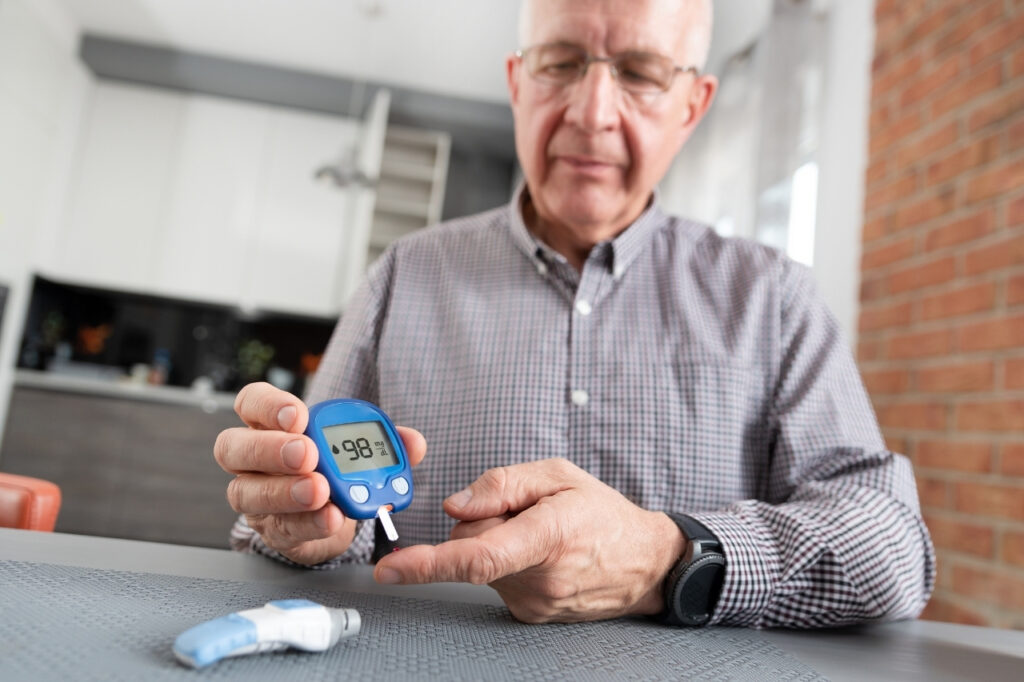
Glucose Monitoring
- Continuous glucose monitoring systems provide real-time data
- Help improve control and reduce complications
Advanced Technologies
- Automated insulin delivery systems
- Better lifestyle flexibility
Practical Steps: What Can Be Done Today?
While Type 1 diabetes prevention is not fully achievable, certain steps can help:
Early Screening
- Especially for those with family history
- Helps identify risk before symptoms
Awareness
- Recognizing early signs of Type 1 diabetes is life-saving
Immune System Support
- Balanced nutrition
- Outdoor activity
- Limited unnecessary antibiotic use
Vitamin D Maintenance
- Adequate sunlight exposure
- Medical guidance for supplements
Participation in Research
- Access to early interventions
- Contribution to future prevention strategies
The Future of Type 1 Diabetes Prevention

Research into Type 1 diabetes is progressing rapidly.
Areas of focus include:
- Immune therapies
- Beta cell preservation
- Stem cell-based solutions
- Early detection programs
The goal is to move from delaying disease to true prevention of Type 1 diabetes.
Conclusion

Type 1 diabetes is a complex condition that cannot currently be fully prevented. It is not caused by lifestyle choices and cannot be avoided through diet or exercise alone.
However, the understanding of Type 1 diabetes has evolved significantly:
- It develops in stages long before symptoms appear
- Early detection can prevent life-threatening complications
- Disease progression can be delayed in some individuals
- Modern type 1 diabetes treatment has greatly improved quality of life
The most important shift today is awareness.
Recognizing type 1 diabetes symptoms, understanding the type 1 diabetes causes, and acting early can make a meaningful difference, especially in children. Taking small but informed steps today can help ensure better outcomes tomorrow.
Looking for practical ways to support better blood sugar management?
Explore our guide on daily diabetes management, where we break down simple, evidence-informed habits that can help people living with diabetes navigate everyday challenges more effectively, read here Top 10 Tips for Daily Diabetes Management
FAQs
What happens in the body of someone with Type 1 diabetes?
In Type 1 diabetes, the body produces little or no insulin, causing glucose to build up in the bloodstream instead of entering cells for energy, leading to high blood sugar and long-term complications if unmanaged.
How to control Type 1 diabetes?
Managing Type 1 diabetes involves regular insulin therapy for Type 1 diabetes, continuous glucose monitoring, a balanced diet, physical activity, and routine medical checkups to maintain stable blood sugar levels.
Can a Type 1 diabetic live a normal life?
Yes, with proper Type 1 diabetes treatment, including insulin therapy, healthy lifestyle habits, and regular monitoring, individuals can lead long, active, and fulfilling lives with minimal complications.
Is Type 1 diabetes curable or not?
Currently, Type 1 diabetes is not curable. However, advancements in Type 1 diabetes treatment and immune therapies are improving disease management and may help delay progression in some individuals.
At what age does Type 1 diabetes occur?
Type 1 diabetes can occur at any age but is most commonly diagnosed in children and adolescents, especially between ages 4–7 and 10–14, making early awareness of symptoms crucial.

Written By: CPH Editorial Team
Medically Reviewed By: Dr Ananya Adhikari