
Introduction

The phrase “advantages and disadvantages of birth control pills” is often searched, but rarely understood in full depth. For millions of women across the world, the birth control pill is not just a contraceptive, it becomes a daily part of life, influencing hormones, cycles, mood, and long-term health outcomes.
Despite being one of the most studied medications in modern medicine, many women start taking it without receiving a complete explanation of its benefits and risks. Conversations are often simplified to “it prevents pregnancy” or “it regulates periods,” leaving out the broader physiological impact it has on the body.
Understanding the advantages and disadvantages of birth control pills is essential because this is not a one-size-fits-all solution. The pill affects multiple systems, reproductive, metabolic, cardiovascular, and even neurological. Each woman’s experience can differ depending on her health history, lifestyle, and hormonal profile.
A balanced, clear, and evidence-based perspective helps in making informed decisions. When both the benefits and risks are equally understood, women are better equipped to choose what aligns with their health goals, lifestyle, and long-term wellbeing.
What Are Birth Control Pills and How Do They Work?

Birth control pills, also known as oral contraceptive pills (OCPs), are medications that contain synthetic versions of hormones, estrogen and progesterone (progestin) that regulate the menstrual cycle.
They work through three primary mechanisms:
- Suppress ovulation: Prevent the ovary from releasing an egg
- Thicken cervical mucus: Make it difficult for sperm to reach the egg
- Alter the uterine lining: Reduce the chances of implantation
This multi-layered mechanism is what makes them highly effective when used correctly.
The 7 Advantages of Birth Control Pills

Highly Effective Contraception
One of the most important advantages of birth control pills is their high effectiveness in preventing pregnancy.
- Perfect use: Less than 1% failure rate
- Typical use: Around 4-7% failure rate
This difference highlights how consistency matters. Missing pills or taking them irregularly can significantly reduce effectiveness.
The reliability of oral contraceptives gives women control over reproductive planning, making them a preferred option for those who want a reversible and non-invasive method.
Regulation of Menstrual Cycles
Irregular periods can be stressful and unpredictable. Birth control pills create a controlled hormonal cycle, leading to:
- Predictable monthly bleeding
- Reduced cycle irregularities
- Improved hormonal balance
This is particularly helpful for women with conditions like PCOS (Polycystic Ovary Syndrome), where irregular cycles can increase the risk of endometrial thickening.
By regulating cycles, the pill provides both convenience and protective benefits.
Reduction in Menstrual Pain and Heavy Bleeding
Menstrual cramps and heavy bleeding are common concerns, especially among young women.
Birth control pills help by:
- Reducing prostaglandin levels (chemicals responsible for cramps)
- Thinning the uterine lining
- Decreasing menstrual flow
Women with dysmenorrhea or heavy periods often experience:
- Less pain
- Shorter duration of bleeding
- Reduced risk of iron deficiency anemia
This makes the pill not just a contraceptive, but also a therapeutic option.
Management of Endometriosis Symptoms
Birth control pills can help by:
- Suppressing ovulation
- Reducing hormonal fluctuations
- Minimizing menstrual flow
Although it does not cure endometriosis, it significantly improves quality of life for many women.
Reduced Risk of Certain Cancers
Among the most important long-term advantages and disadvantages of birth control pills is their impact on cancer risk.
On the protective side, birth control pills are associated with:
These protective effects can last for years even after stopping the pill.
The mechanism is linked to reduced ovulation and hormonal stabilization, which lowers repetitive stress on reproductive tissues.
Improvement in Acne and Hormonal Imbalance
Hormonal acne and excess hair growth are often driven by high androgen levels.
Birth control pills help by:
- Reducing androgen production
- Increasing sex hormone-binding globulin (SHBG)
- Lowering free testosterone levels
This results in:
- Clearer skin
- Reduced acne breakouts
- Improvement in mild hirsutism
Certain formulations are even prescribed specifically for acne treatment.
Prevention of Functional Ovarian Cysts
Functional ovarian cysts are common during ovulation.
Since birth control pills suppress ovulation, they:
- Reduce the formation of cysts
- Prevent recurrence in women prone to cysts
- Lower the need for repeated medical intervention
This is an often-overlooked benefit but highly relevant for women with recurrent cyst-related discomfort.
The 7 Disadvantages of Birth Control Pills
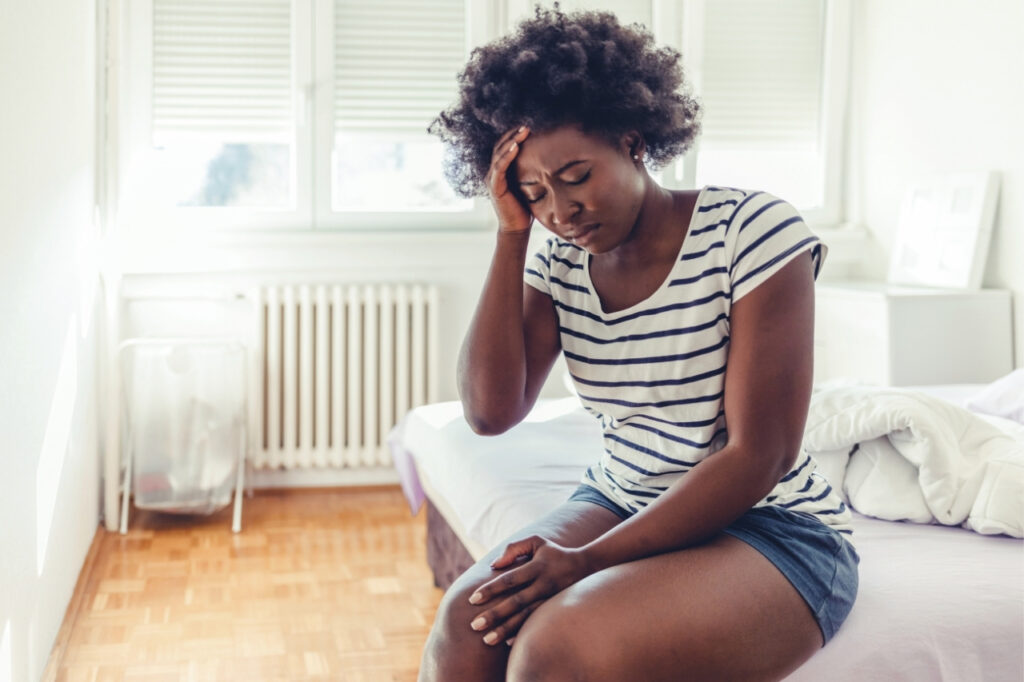
Understanding the advantages and disadvantages of birth control pills requires equal attention to risks.
Increased Risk of Blood Clots and Cardiovascular Issues
One of the most serious disadvantages of birth control pills is the increased risk of:
- Deep vein thrombosis (DVT)
- Pulmonary embolism
- Stroke and heart attack
The estrogen component promotes clot formation.
Risk is higher in women who:
- Smoke
- Are over 35
- Have high blood pressure
- Have a family history of clotting disorders
Although the absolute risk is low in healthy individuals, it becomes significant when risk factors are present.
Impact on Mental Health and Mood
Hormonal changes can influence brain chemistry.
Some women report:
- Mood swings
- Anxiety
- Depressive symptoms
- Reduced emotional wellbeing
Research suggests a possible link between hormonal contraceptives and increased antidepressant use, especially in younger women.
The response varies widely, but emotional changes should not be ignored.
Nutrient Depletion
A lesser-known but important aspect of the advantages and disadvantages of birth control pills is their effect on nutrient levels.
Long-term use may reduce:
- Folate
- Vitamin B6 and B12
- Magnesium
- Zinc
- Vitamin C and E
These nutrients are essential for:
- Energy production
- Brain function
- Hormonal balance
- Future pregnancy health
Without proper diet or supplementation, deficiencies may develop over time.
Reduced Libido and Sexual Function
Some women experience a decline in sexual desire.
This is linked to:
- Increased SHBG levels
- Reduced free testosterone
Possible effects include:
- Lower libido
- Reduced arousal
- Changes in sexual satisfaction
In some cases, these effects may persist even after stopping the pill.
No Protection Against Sexually Transmitted Infections (STIs)
Birth control pills do not protect against STIs, including:
- HIV
- HPV
- Gonorrhea
- Chlamydia
This makes it essential to use barrier methods like condoms when STI risk is present.
Relying solely on pills can create a false sense of security in sexual health.
Increased Risk of Certain Cancers
While some cancer risks decrease, others may increase.
Birth control pills are associated with:
- Slightly increased risk of breast cancer
- Increased risk of cervical cancer (especially with HPV infection)
The risk tends to reduce after stopping the pill, but it remains an important factor in decision-making.
Regular screenings and preventive care are essential.
Post-Pill Effects and Hormonal Adjustment
After stopping birth control pills, the body may take time to readjust.
Possible effects include:
- Delayed return of periods
- Temporary infertility
- Acne flare-ups
- Hormonal imbalance symptoms
In some cases, underlying conditions like PCOS become noticeable only after discontinuation. Although fertility usually returns within a few months, the transition phase can be challenging.
Conclusion

The advantages and disadvantages of birth control pills exist side by side, and neither can be ignored. The pill offers reliable contraception, cycle regulation, and therapeutic benefits for several hormonal conditions. At the same time, it carries risks that affect cardiovascular health, mental wellbeing, nutrient balance, and long-term hormonal function.
There is no universal answer to whether the pill is “good” or “bad.” The right choice depends on individual health history, lifestyle, and priorities. What matters most is informed decision-making—understanding both benefits and risks before starting or continuing its use.
Small, practical steps can make a difference:
- Track your body’s response after starting the pill
- Maintain a nutrient-rich diet
- Do regular health checkups
- Seek medical advice if you notice unusual symptoms
Your health decisions should always be based on clarity, not convenience.
Taking time to understand the advantages and disadvantages of birth control pills is the first step toward making a choice that truly supports your long-term wellbeing.
Your reproductive health decisions today shape your future wellbeing. Start with awareness, take expert guidance, and choose a method that keeps you safe, balanced, and in control.
FAQs
What are the safest contraceptive methods for long-term use?
The safest long-term contraceptive methods include intrauterine devices (IUDs), hormonal implants, and sterilization procedures. These methods are highly effective, low-maintenance, and reversible (except sterilization). They work continuously for years, reducing the chances of user error compared to short-term methods like pills or condoms.
What are the four main methods of contraception?
The four primary methods of contraception are barrier methods (like condoms), hormonal methods (such as pills and injections), intrauterine devices (IUDs), and permanent methods (sterilization). Each method differs in effectiveness, duration, and suitability depending on age, health status, and family planning goals.
Which contraception method is best for long-term use?
Long-acting reversible contraceptives (LARCs), such as hormonal implants and IUDs, are considered the best for long-term use. They provide protection for 3 to 10 years, require minimal maintenance, and have high effectiveness rates, making them suitable for individuals seeking reliable and hassle-free contraception.
Is the copper IUD safe for Indian women?
Yes, the copper IUD is generally safe for Indian women and widely recommended by healthcare providers. It is hormone-free, long-lasting (up to 10 years), and effective. However, some women may experience heavier periods or cramps, so medical consultation before insertion is important

Written By: CPH Editorial Team
Medically Reviewed By: Dr Ananya Adhikari