



- Introduction
- What Is Hantavirus?
- Common Rodents That Carry Hantavirus
- The History and Discovery of Hantavirus
- Types of Hantavirus Diseases
- How Does Hantavirus Spread?
- Early Symptoms of Hantavirus
- Severe Symptoms of Hantavirus
- When Should You Seek Medical Help?
- Diagnosis and Medical Testing
- Is There a Cure for Hantavirus?
- Hantavirus Prevention: Practical Safety Measures
- The Safe Cleaning Method for Rodent Droppings
- Why Public Awareness About Hantavirus Matters
- Mental Wellbeing and Health Anxiety
- Small Daily Habits That Improve Household Safety
- Conclusion
- FAQs
Introduction
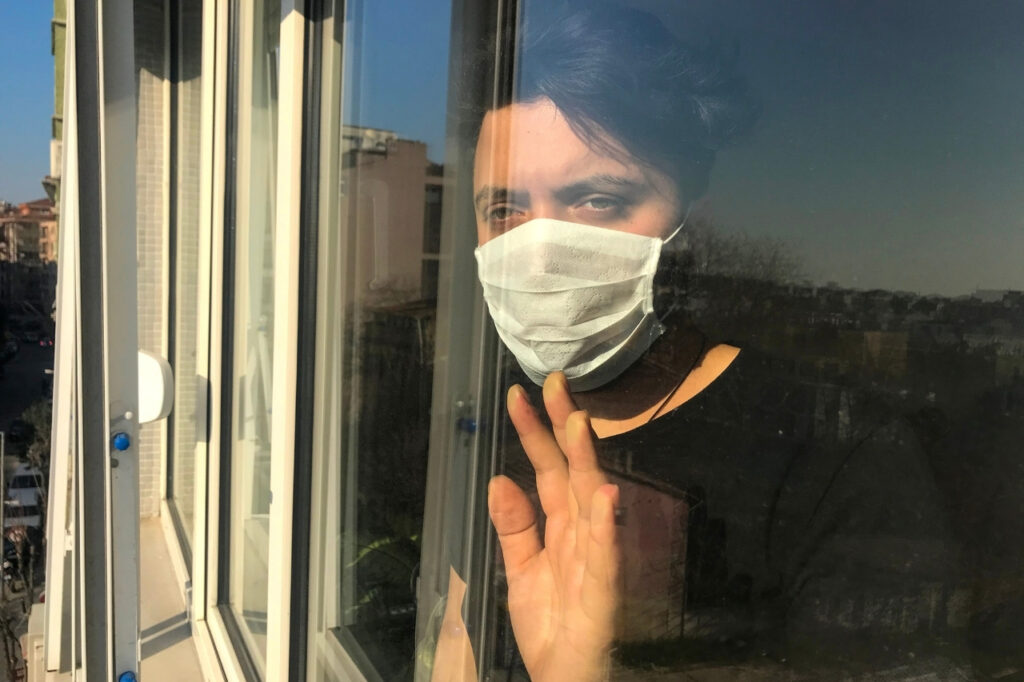
Public health often focuses its conversations on large outbreaks and fast-spreading infections. Yet, some health risks remain less discussed despite their serious impact. Hantavirus is one of the rare but potentially dangerous diseases that deserves greater awareness.
Although cases are not common, Hantavirus highlights a very important reality that is, our environment and health are deeply connected. Poor sanitation, rodent infestation, and unsafe cleaning habits can quietly increase exposure risks, especially in homes, storage areas, farms, and poorly ventilated spaces.
For families, working professionals, homemakers, and older adults alike, understanding Hantavirus is not about creating fear; it is about building prevention habits that protect households and communities. The best part is that simple precautionary measures can significantly reduce the risk of infection.
As global conversations regarding Hantavirus evolve, the role of proactive education becomes vital in maintaining public safety. By demystifying how the virus is transmitted, identifying its initial warning signs, and adhering to evidence-based hygiene and cleaning protocols, communities can effectively mitigate risk while replacing misinformation with informed, practical confidence.
What Is Hantavirus?
Hantaviruses are a family of viruses mainly carried by wild rodents. What sets this apart from the usual flu is its “zoonotic” nature- it is a disease that moves from animals to people instead of spreading easily between humans. Interestingly, the rodents that carry the virus don’t actually get sick from it; they can look perfectly healthy and active even while they are carrying and shedding the virus into their surroundings. These rodents release the virus through:
- Urine
- Droppings
- Saliva
These materials dry and become airborne, people may accidentally inhale these contaminated particles.
The disease can affect different systems of the body depending on the viral strain and geographical region. Some forms mainly damage the kidneys, while others severely impact the lungs and breathing system.
Common Rodents That Carry Hantavirus
Rodents of different species are associated with Hantavirus in different regions of the world.
| Rodent Species | Common Region |
| Deer Mouse | North America |
| Rice Rat | Central and South America |
| Bank Vole | Europe |
| Striped Field Mouse | Asia |
One of the biggest challenges with Hantavirus is that the rodents carrying it usually look and act completely normal. Because you cannot tell if a mouse is infected just by looking at it, keeping your home rodent-free and maintaining a clean environment are the best ways to stay safe.
The History and Discovery of Hantavirus
The Korean War Connection
Modern medicine understood Hantavirus during the Korean War in the early 1950s. Thousands of soldiers developed a mysterious illness involving:
- High fever
- Internal bleeding
- Kidney complications
At the time, the exact cause remained unknown.
Discovery Near the Hantan River
In 1978, researchers in South Korea isolated the virus from a field mouse near the Hantan River. The virus was named “Hantaan virus,” eventually leading to the broader term Hantavirus.
The 1993 Four Corners Outbreak
Another major turning point came in 1993, a sudden respiratory illness appeared in the “Four Corners” region of the United States.
Young and previously healthy individuals developed severe breathing problems and died unexpectedly. Health investigators later discover a new strain of Hantavirus responsible for a lung illness known as Hantavirus Pulmonary Syndrome (HPS).
This outbreak changed the global perspective of the disease and also increased public health surveillance worldwide.
Types of Hantavirus Diseases

Hemorrhagic Fever with Renal Syndrome (HFRS)
This form is commonly found in Europe and Asia.
Main Effects:
- Kidney damage
- Bleeding complications
- Fever
- Low blood pressure
While some strains are mild, others can become severe without timely treatment.
Hantavirus Pulmonary Syndrome (HPS)
This form is mainly found in North and South America.
Main Effects:
- Severe breathing difficulty
- Lung inflammation
- Fluid accumulation in the lungs
- Respiratory failure
HPS is considered more dangerous, among all forms of Hantavirus, because it progresses rapidly and requires emergency medical care.
How Does Hantavirus Spread?
Understanding how Hantavirus transfer is one of the most important parts of the prevention.
Airborne Exposure
The most common route of infection is inhalation.
When rodent waste like urine or droppings dries up, microscopic virus particles can lift into the air as dust. If you disturb these contaminated areas- by sweeping or moving old boxes- you can accidentally release these particles into the environment where they can be breathed in.
Common High-Risk Situations:
- Sweeping dusty storerooms
- Cleaning attics or garages
- Opening unused cabins
- Handling rodent nests
- Moving old cardboard boxes
- Cleaning barns or sheds
Direct Contact
People can become infected if contaminated material touches:
- Broken skin
- Eyes
- Nose
- Mouth
Rodent Bites
Although comparatively less common, bites from an infected rodent may also transmit Hantavirus.
Can Hantavirus Spread Between Humans?
Person-to-person spread is very rare and limited to specific strains like the Andes virus commonly in South America. The majority of infections result from direct rodent exposure. Documented human-to-human transmission remains uncommon and is generally restricted to close, prolonged contact among household members during the early, highly transmissible phase of the illness.
Early Symptoms of Hantavirus

One challenge with Hantavirus symptoms is that they initially resemble common viral illnesses.
It usually takes anywhere from 1 to 8 weeks for symptoms to start showing up after a person has been exposed to the virus.
Initial Symptoms
Fever and Chills
High fever is often one of the earliest signs.
Muscle Pain
Pain commonly affects:
- Back
- Hips
- Thighs
- Shoulders
Fatigue
Many individuals feel unusually weak or exhausted.
Digestive Symptoms
Some people develop:
- Nausea
- Vomiting
- Stomach pain
- Diarrhea
Because these symptoms are similar to flu-like illnesses, exposure history becomes very important.
Severe Symptoms of Hantavirus

As the illness progresses, symptoms become more dangerous.
In Hantavirus Pulmonary Syndrome (HPS)
Breathing Difficulty
Patients may suddenly struggle to breathe.
Dry Cough
A persistent dry cough often develops.
Chest Tightness
Fluid may begin collecting in the lungs.
This stage is considered a medical emergency and requires immediate hospitalization.
In Hemorrhagic Fever with Renal Syndrome (HFRS)
Patients may experience:
- Severe headaches
- Blurred vision
- Low blood pressure
- Reduced urine output
- Kidney complications
When Should You Seek Medical Help?
You should seek urgent medical attention if:
- You recently cleaned an area with rodent infestation
- You develop fever with breathing difficulty
- You experience sudden severe fatigue after exposure
- You notice persistent chest discomfort
Early diagnosis greatly improves survival chances in serious Hantavirus cases.
Diagnosis and Medical Testing
Doctors may evaluate:
- Exposure history
- Symptoms
- Blood tests
- Lung imaging
- Kidney function tests
Because Hantavirus symptoms overlap with other illnesses, informing healthcare providers about possible rodent exposure is extremely important.
Is There a Cure for Hantavirus?
Currently, there is no universally approved cure or vaccine for Hantavirus. However, supportive medical care can significantly improve outcomes.
Supportive Treatment Approaches
Oxygen Therapy
Helps patients maintain oxygen levels during lung involvement.
Intensive Care Support
Severe cases may require ICU monitoring.
Fluid Management
Careful hydration management supports heart and kidney function.
Antiviral Therapies
Some antiviral medications have shown benefits in specific kidney-related forms of Hantavirus when administered early.
Hantavirus Prevention: Practical Safety Measures
The best defense against Hantavirus is prevention.
1. Rodent-Proof Your Home
Seal Entry Points
Close holes larger than ¼ inch using:
- Steel wool
- Cement
- Metal mesh
Store Food Properly
Use airtight containers made of:
- Metal
- Glass
- Heavy plastic
Reduce Outdoor Clutter
Remove:
- Wood piles
- Garbage buildup
- Dense bushes near walls
The Safe Cleaning Method for Rodent Droppings
One of the biggest mistakes people make is sweeping or vacuuming contaminated areas.
This can release Hantavirus particles into the air.
Follow the “Wet Cleaning” Method Instead
Step 1: Ventilate the Area
Open doors and windows for at least 30 minutes.
Step 2: Wear Protection
Use:
- Rubber gloves
- Face mask
Step 3: Spray Disinfectant
Use a bleach solution:
- 1 part bleach
- 9 parts water
Step 4: Let It Soak
Allow the disinfectant to sit for 5–10 minutes.
Step 5: Wipe, Don’t Sweep
Use paper towels to collect waste safely.
Step 6: Dispose Properly
Seal waste in a plastic bag before disposal.
These simple habits dramatically reduce Hantavirus risk.
Why Public Awareness About Hantavirus Matters
Although Hantavirus is rare, awareness remains important because:
- Early symptoms are easy to ignore
- Delayed treatment increases complications
- Rodent exposure is common in many environments
- Prevention methods are simple and highly effective
For households in urban, semi-urban, and rural settings, maintaining clean storage areas and controlling rodent access are essential preventive practices.
Mental Wellbeing and Health Anxiety
Reading about infectious diseases can naturally create worry. However, it is important to remember that Hantavirus infections remain statistically uncommon.
Awareness should lead to preparedness, not panic.
Just as families use seatbelts and smoke alarms for safety, practicing rodent prevention and safe cleaning methods are practical steps that provide reassurance and protection.
Small Daily Habits That Improve Household Safety
Here are a few simple lifestyle habits that can reduce exposure risks:
- Clean unused spaces regularly
- Avoid leaving food uncovered overnight
- Keep kitchens dry and clutter-free
- Wear gloves while handling storage materials
- Wash hands thoroughly after outdoor cleaning
- Inspect seasonal storage areas before use
Small preventive actions often create the biggest long-term health benefits.
Conclusion

Understanding Hantavirus helps us recognize how environmental hygiene and preventive awareness directly influence public health. While the disease is rare, it can become serious without timely medical care and proper precautions.
The encouraging reality is that prevention is highly achievable. Safe cleaning practices, rodent control, and awareness of symptoms can greatly reduce the risk of infection for individuals and families alike.
An informed household is a safer household. By adopting simple hygiene and prevention habits today, you are taking an important step toward protecting your home, your loved ones, and your community from avoidable health risks.
If you notice rodent infestation in your environment or develop concerning symptoms after exposure, consult a healthcare professional promptly. Early action saves lives.
Explore more evidence-based preventive health articles and practical wellness insights on our latest blog by clicking here.
FAQs
What is Hantavirus?
Hantavirus is a rare rodent-borne viral infection that spreads mainly through contact with infected rodent urine, droppings, or saliva, especially in poorly ventilated or dusty areas.
Can Hantavirus spread from person to person?
While person-to-person spread is extremely rare and primarily limited to specific strains like the Andes virus in South America, the vast majority of infections result from direct rodent exposure
What are the early symptoms of Hantavirus?
Early Hantavirus symptoms include fever, muscle pain, fatigue, chills, nausea, and stomach discomfort. In severe cases, breathing difficulty may develop within a few days.
How can I prevent Hantavirus infection?
You can reduce Hantavirus risk by controlling rodents, sealing home entry points, storing food safely, and using disinfectants instead of sweeping rodent droppings.
Is Hantavirus curable?
There is no specific cure for Hantavirus, but early hospitalization and supportive treatment such as oxygen therapy and intensive care can improve recovery chances.

Written By: CPH Editorial Team
Medically Reviewed By: Dr Ananya Adhikari


