


- Behind Every 'Off Day' Is an Invisible Battle Your Hormones Are Talking. Are You Listening?
- Natural hormone balance : What It Really Means
- How to Balance Hormones Naturally
- Recognizing Signs of Hormonal Imbalance in Women
- How to Check Hormone Balance at Home
- The Myth of the “3-Day Hormone Reset”
- Evidence-Backed Natural Hormone Balance Supplements
- When to Move Beyond “Natural Only”
- Conclusion: Building Hormonal Harmony Naturally
- FAQs
Behind Every ‘Off Day’ Is an Invisible Battle Your Hormones Are Talking. Are You Listening?
That stubborn fatigue, the sudden anxiety waves before your period, or the unshakable sugar cravings are not flaws in your willpower, they’re gentle alarms from your body’s chemical network.
When hormones fall out of rhythm, your energy, mood, and metabolism begin to drift in subtle but powerful ways.
Many women, especially between 25 and 45, find themselves treating surface-level symptoms, weight fluctuations, skin changes, sleep troubles, without realizing that the true natural hormone balance for women lies deeper.
Natural hormone balance isn’t about chasing a “perfect number” on a lab report. It’s about restoring the synchrony of multiple systems: your thyroid, adrenal, reproductive, and metabolic axes, all influenced by what you eat, how you move, how you rest, and how you respond to stress.
Natural hormone balance : What It Really Means
Hormones act as the body’s communication system, tiny messengers made by glands such as the ovaries, thyroid, adrenals, and pancreas. Together, they regulate energy, sleep, fertility, and emotional health.
When the body’s inputs (sleep, diet, movement, stress) fall out of rhythm, it can lead to hormonal dysregulation, often showing up as irregular cycles, fatigue, anxiety, hair changes, or stubborn belly fat.
Natural hormone balance means maintaining the right rhythm, not excess, not deficiency, across estrogen, progesterone, thyroid hormones, cortisol, and insulin. Each of these interacts dynamically with the others. Lifestyle Medicine’s Role in Common Hormonal Disorders affirm that correcting lifestyle factors first has more lasting hormonal benefits than relying solely on supplements or restrictive diets.
How to Balance Hormones Naturally

- Eat for Balance, Not Restriction
A Mediterranean-style diet is the best-evidenced eating pattern for hormone regulation.
Systematic reviews show that diets rich in vegetables, fruits, legumes, whole grains, olive oil, and fish improve insulin sensitivity, reduce inflammation, and moderate perimenopausal symptoms.
Key guidelines:
- Prioritize fiber-rich foods (lentils, beans, whole grains) to regulate estrogen metabolism via the gut-liver axis.
- Replace refined oils with mustard or olive oil; both provide monounsaturated fats and antioxidants.
- Include omega-3–rich foods (flaxseeds, walnuts, or fish like mackerel and sardine). Clinical trials show omega-3s help reduce mood swings and hot flashes.
- Avoid ultra-processed foods, added sugars, and trans fats, all of which disrupt insulin and cortisol levels.
- Exercise: A Hormone Regulator in Motion
Exercise is one of the strongest, evidence-backed tools for natural hormone balance.
- Enhances insulin sensitivity,
- Improves ovulatory regularity in women with PCOS,
- Reduces vasomotor symptoms like hot flashes,
- Boosts mood and metabolic health during perimenopause.
Practical structure:
- 3 days/week: Resistance training (bodyweight, bands, or weights).
- 2–3 days/week: Moderate aerobic activity (brisk walking, cycling, dancing).
- Daily: 15–20 minutes of stretching or yoga to reduce cortisol.
Consistency — not intensity — builds the hormonal resilience that short-term “detoxes” cannot.
- Sleep and Circadian Rhythm — The Silent Pillar
Sleep is your body’s nightly hormone therapy.
Poor sleep amplifies menstrual irregularities, mood instability, and perimenopausal discomfort.
A structured routine realigns melatonin, cortisol, and reproductive hormones.
- Stick to a strict sleep schedule by setting consistent bedtimes and wake-up times, even on weekends.
- Avoid screens 60 minutes before bed.
- Dim evening lights to boost melatonin.
- Try CBT-based relaxation or guided mindfulness, both clinically proven to ease hot flash–related insomnia.
- Manage Stress: The Cortisol Connection
Chronic stress raises cortisol, disrupting progesterone and thyroid function.
Randomized trials show ashwagandha (Withania somnifera) can reduce perceived stress and cortisol over 8–12 weeks.
Caution:
Use only standardised, third-party-tested ashwagandha products. Avoid if you have autoimmune thyroid disease unless cleared by a clinician. Supplements complement, not replace, rest and therapy.
- Minimize Hormone Disruptors (Xenoestrogens)
Everyday plastics, pesticides, and certain cosmetics can mimic estrogen, disturbing natural cycles.
Protective Steps:
- Store food in glass or stainless steel.
- Use filtered water.
- Choose paraben- and phthalate-free personal care products.
- Nutritional Support Through Seed Cycling:
“Seed cycling” aligns specific nutrients with menstrual phases to support estrogen and progesterone balance.
| Phase | Duration | Seeds & Quantity | Key Benefits |
| Follicular Phase | Days 1–14 | 1 tbsp ground flax + 1 tbsp pumpkin seeds daily | Lignans & zinc support estrogen metabolism and healthy ovulation |
| Luteal Phase | Days 15–28 | 1 tbsp sunflower seeds + 1 tbsp ground sesame daily | Vitamin E & selenium aid progesterone production and liver detox |
While long-term clinical trials are limited, these nutrients are biologically aligned with hormone regulation.
Practical tip: Add seeds to curd, salads, or atta dough for easy daily intake.
Recognizing Signs of Hormonal Imbalance in Women
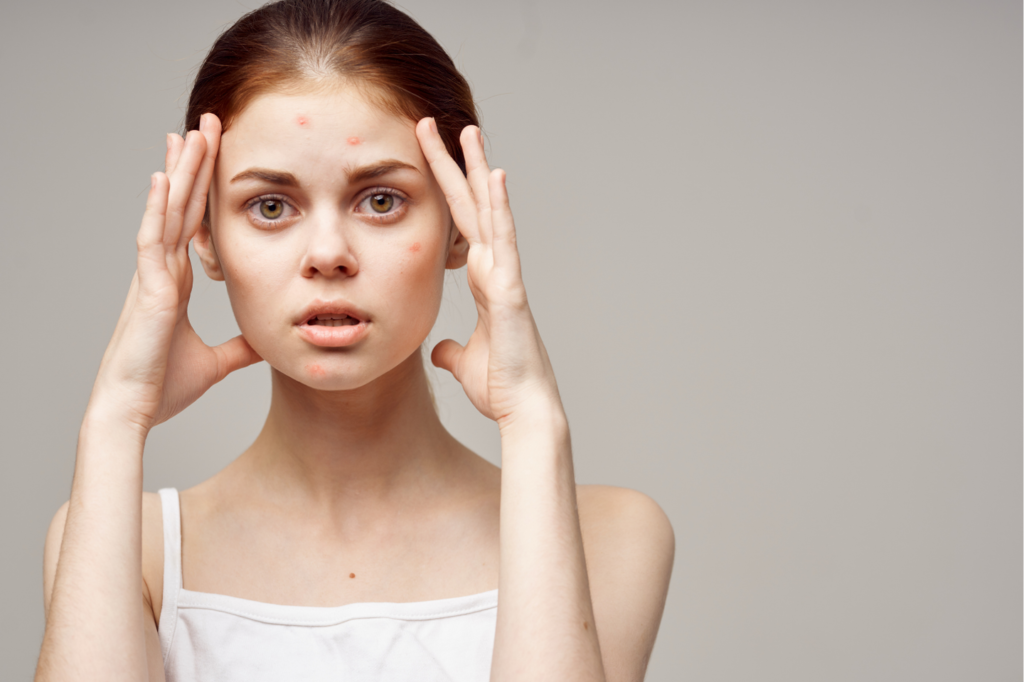
Hormonal imbalances vary by life stage and gland involved. The most common patterns include:
- Perimenopause and Menopause
Diagnosis after age 45 is primarily symptom-based.
Typical signs: hot flashes, night sweats, sleep issues, mood swings, vaginal dryness, joint pain, and cognitive fog.
- Polycystic Ovary Syndrome (PCOS)
A major cause of reproductive imbalance in young and midlife women.
The 2023 International PCOS Guideline (OUP Academic) lists:
- Irregular or absent periods
- Acne, hirsutism, or scalp hair thinning
- Polycystic ovaries on ultrasound
- Insulin resistance and weight gain
Why it matters: Untreated PCOS increases the risk of metabolic syndrome, infertility, and mood disorders.
- Thyroid Disorders
According to the American Thyroid Association and NCBI Clinical Reviews:
- Hypothyroidism: fatigue, cold intolerance, dry skin, weight gain, menstrual changes
- Hyperthyroidism: anxiety, weight loss, palpitations
Testing: TSH + Free T4 are the most reliable diagnostics; symptoms alone can mislead.
- Elevated Prolactin (Hyperprolactinemia)
Excess prolactin suppresses ovarian signals, leading to:
- Missed periods
- Infertility
- Milky discharge when not breastfeeding
How to Check Hormone Balance at Home
At-home awareness is valuable, but interpretation matters.
- What You Can Track
- Cycle & Symptom Diary: record cycle length, flow, PMS, sleep, hot flashes, energy, and stress. This log often guides diagnosis more than a single midlife hormone number.
- Temperature Trends: Wrist Skin Temperature (WST) devices track post-ovulation temperature rises accurately (Sensors 2022). This makes checking your metabolic and reproductive health much more convenient.
- Mood & Libido: Sudden shifts often reflect estrogen or testosterone changes. Any significant changes in your libido (sex drive) are also very direct clues that these core hormones are out of balance.
- Physical Clues: New acne, hair loss, or belly fat suggest metabolic imbalance.
- At-Home Testing — Proceed with Caution
Commercial “hormone test kits” lack diagnostic validity. Combine symptom tracking with occasional clinical labs (glucose, lipids, vitamin D).
The Myth of the “3-Day Hormone Reset”

No credible study supports the idea that a 72-hour detox can restore hormones.
Hormonal change requires sustained inputs, nutrition, movement, sleep, and stress management.
A Smarter 3-Day Kick-Start:
| Day | Focus | Why It Works |
| 1 | Mediterranean-style meals | Stabilizes insulin and gut–liver estrogen axis |
| 2 | Strength training + breathing | Regulates cortisol rhythm |
| 3 | Early bedtime, screen-free | Restores melatonin-estrogen balance |
Think of this as a spark, not a solution — the foundation for lifelong balance.
Evidence-Backed Natural Hormone Balance Supplements
- Omega-3 Fatty Acids (EPA/DHA)
Reduce inflammation, and support mood during perimenopause.
- Vitamin D
Regulates reproductive and thyroid hormones; deficiency linked with PMS and infertility.
- Magnesium (Citrate / Glycinate)
Aids sleep and relieves PMS-related mood changes.
Short-term stress-reduction evidence; ensure product quality and clinician oversight.
⚠️ Safety First
Supplements are not FDA-evaluated for efficacy. Use third-party-tested products and disclose use if pregnant, lactating, or medicated.
When to Move Beyond “Natural Only”
See a clinician if you experience:
- No periods for> 3 months (not pregnant)
- Heavy/postmenopausal bleeding
- Rapid hair loss or hirsutism
- Galactorrhea, headaches, or vision changes
- Uncontrolled blood sugar despite lifestyle efforts
- No relief after 3–6 months of consistent care
These may signal thyroid, pituitary, or ovarian dysfunction requiring treatment.
Conclusion: Building Hormonal Harmony Naturally

Natural hormone balance isn’t achieved through quick fixes; it’s cultivated through rhythm, rest, and respect for your body’s signals.
Your hormones won’t reset in 72 hours; they respond to consistency and nourishment.
Focus on what’s proven:
- Eat Mediterranean, not minimal
- Move regularly, not obsessively
- Sleep predictably
- Manage stress as a practice, not a phase.
- Use supplements as support, not shortcuts
Your energy, mood, and menstrual flow reflect this inner orchestra — when you care for the rhythm, balance returns naturally.
Claim Your Hormonal Freedom
Hormonal balance isn’t a mystical cure, it’s a daily decision.
At Capitalist Health, we show you how small, doable habits address the root cause of hormonal chaos, protecting you against energy crashes, mood swings, and metabolic imbalance.
Start with one simple change today, and discover how restoring your natural hormone balance fits easily into your busy life.
Read. Apply. Transform- one step at a time.
FAQs
How do I balance my hormones naturally?
Through nutrition, sleep, exercise, and stress management — supported by natural foods, herbs, and a toxin-free environment.
What are the signs of hormonal imbalance in females?
Irregular periods, weight changes, fatigue, mood swings, sleep issues, acne, or hair loss.
How can I check my hormone balance at home?
Track cycles, sleep, and energy. Ovulation predictor kits can help, but clinical testing gives the most accurate picture.
What is a 3-Day Hormone Reset?
A 3-Day Hormone Reset is a short lifestyle reboot that focuses on balanced eating, proper sleep, and stress control to help your body restore its natural rhythm. It’s not a medical treatment or quick fix; results depend on consistent, long-term habits.

Written By: CPH Editorial Team
Medically Reviewed By: Dr Ananya Adhikari


Pingback: How to Prepare for Your First Fertility Consultation
Pingback: Menstrual Health: Meaning, Signs, Hygiene & Improvement
Pingback: Healthy Semen: 10 Lifestyle Tips to Improve Semen Health Naturally