

Introduction

Quitting smoking is often seen as the finish line, but in reality, it is the beginning of a deeper physiological journey. For anyone who has stopped smoking, one question naturally follows: Can the lungs actually heal? And if they can, how can that healing be supported in a meaningful, natural way?
Science offers both reassurance and realism. Smoking remains one of the leading preventable causes of death globally, contributing to lung disease, heart disease, stroke, and multiple cancers. Yet, despite this heavy burden, the lungs possess a remarkable, though not unlimited, ability to recover. Within hours of quitting, oxygen levels improve. Within weeks, breathing becomes easier. Over the years, the risk of serious diseases steadily declines.
However, lung recovery after smoking: how to heal naturally, is not a passive process. It is shaped by daily habits, how you breathe, what you eat, how active you are, and the environment you live in. Some damage, especially structural changes like alveolar destruction, cannot be reversed. But function, resilience, and long-term health can improve significantly.
Understanding both the potential and the limits of recovery is essential. It allows you to move from uncertainty to action — supporting your lungs not just to recover, but to function at their best within those biological boundaries.
What Smoking Does to the Lungs and Why Recovery Takes Time
Before focusing on healing, it is important to understand what the lungs are recovering from. Smoking does not cause a single type of damage; it creates a cascade of changes affecting airways, lung tissue, blood vessels, and even the heart.
Airway Inflammation and Mucus Overproduction
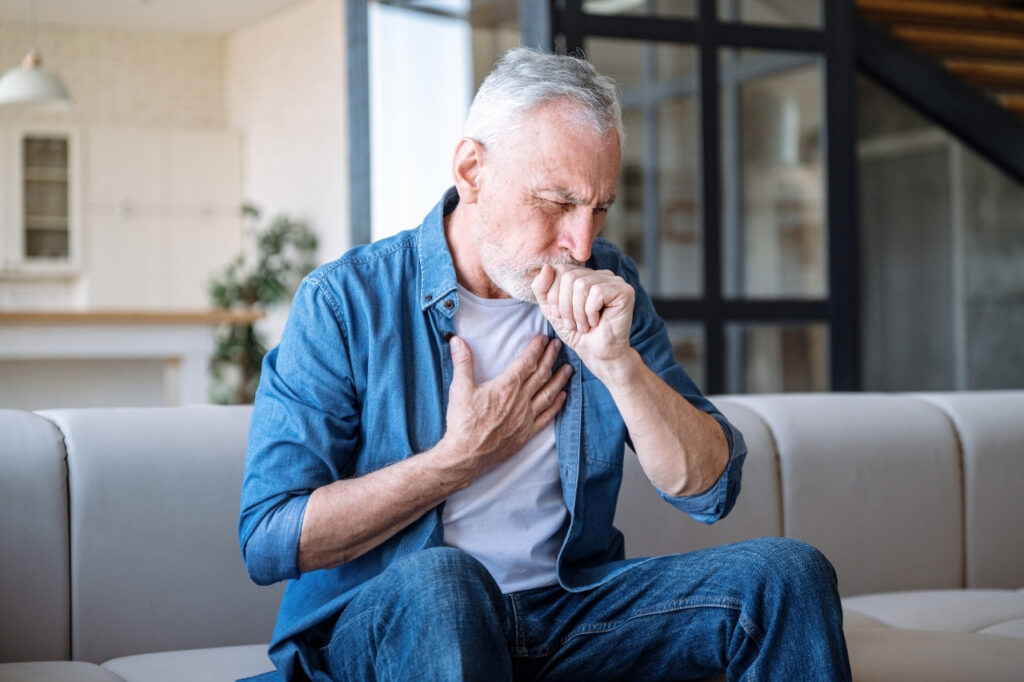
Cigarette smoke contains thousands of chemicals that irritate the respiratory tract. The immediate response is inflammation, the body’s attempt to protect itself. Over time, this becomes chronic.
The airways begin producing excess mucus to trap harmful particles. However, the system responsible for clearing this mucus, the cilia, becomes damaged and dysfunctional. Instead of being cleared, mucus accumulates.
This leads to:
- Persistent cough
- Chest congestion
- Increased risk of infections
Damage to the Alveoli: The Gas Exchange Units
The alveoli are tiny air sacs responsible for oxygen exchange. Smoking triggers inflammatory cells to release enzymes that damage the structural framework of these sacs.
Over time:
- Alveoli walls break down
- Air sacs merge
- Oxygen exchange surface area reduces
Caution:
This process, known as emphysema, is irreversible. Lung recovery after smoking: how to heal naturally improves function but does not rebuild destroyed alveoli.
Oxidative Stress and DNA Damage
Smoking generates a high level of oxidative stress, damaging cells and DNA. This contributes to:
- Premature aging of lung tissue
- Increased cancer risk
- Persistent inflammation
Impact on Heart Health
Smoking reduces oxygen levels and increases carbon monoxide in the blood. This forces the heart to work harder and contributes to:
- High blood pressure
- Arterial stiffness
- Increased risk of heart attack and stroke
This is why lung recovery after smoking: how to heal naturally is also deeply connected to heart health improvement.
The Lung Healing Timeline: What Happens After You Quit

Understanding the recovery timeline provides both motivation and clarity.
Within 24 Hours
- Carbon monoxide levels drop significantly
- Oxygen levels begin to normalize
Within 2–3 Days
- Airways begin to relax
- Cilia start regaining function
- Increased coughing may occur, this is a positive sign of clearing
Within Weeks to Months
- Lung function improves
- Circulation improves
- Breathing becomes easier
Within 1 Year
- Risk of heart disease reduces significantly
- Inflammation continues to decline
Within 5–10 Years
- Cancer risk reduces gradually
- Lung tissue stabilizes
Recovery is often progressive rather than immediate, so while a temporary increase in cough or mucus is common, it should not be mistaken for deterioration. However, you should connect with a healthcare professional if the cough persists, worsens, or is accompanied by other health issues.
Lung Recovery After Smoking: How to Heal Naturally
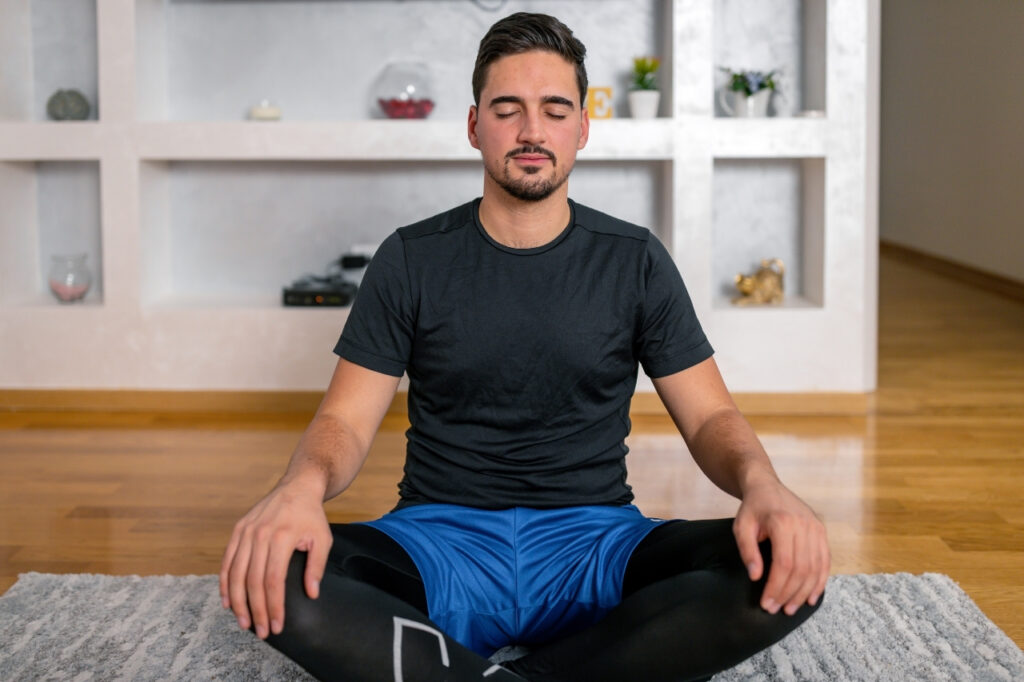
Natural recovery strategies are not shortcuts; they are accelerators. They help the body repair faster, reduce inflammation, and improve lung efficiency.
Breathing Exercises: Directly Reconditioning the Lungs
Breathing exercises are one of the most targeted approaches in lung recovery after smoking: how to heal naturally.
Diaphragmatic Breathing
This technique retrains the body to use the diaphragm effectively.
Step-by-step approach:
- Sit or lie comfortably in a relaxed position
- Place one hand on your chest and the other on your abdomen
- Inhale slowly through your nose, allowing your abdomen to rise
- Keep your chest movement minimal
- Exhale slowly through your mouth
- Continue for 10–15 minutes
Why this works:
It improves oxygen delivery, reduces breathing effort, and strengthens respiratory muscles.
Pursed-Lip Breathing
Steps:
- Inhale slowly through your nose for 2 counts
- Purse your lips as if blowing out a candle
- Exhale slowly for 4 counts
Benefits:
- Prevents airway collapse
- Improves airflow
- Reduces breathlessness during activity
Deep Lung Expansion Exercises
How to practice:
- Take a slow, deep breath until lungs feel fully expanded
- Hold for 2–3 seconds
- Exhale slowly and completely
- Repeat 8–10 times
Reviewer caution:
Avoid overexertion. Stop if dizziness occurs.
Aerobic Exercise: System-Wide Recovery Support
Among all strategies, exercise is the most powerful for lung recovery after smoking: how to heal naturally.
Why It Matters
- Strengthens lungs and heart
- Improves oxygen utilization
- Reduces inflammation
- Enhances endurance
How to Start Safely
Step-by-step progression:
- Begin with 10–15 minutes of walking daily
- Maintain a pace where conversation is possible
- Gradually increase duration to 30–45 minutes
- Include activities like cycling or swimming
Practical Integration
- Walk after meals
- Use stairs instead of elevators
- Break long sitting periods
Medical caution:
Seek medical advice if you have chest pain, severe breathlessness, or existing heart conditions.
Anti-Inflammatory Diet: Reducing Internal Stress
Diet plays a crucial role in lung recovery after smoking: how to heal naturally and sustain it.
What to Include
- Fresh fruits and vegetables
- Whole grains
- Nuts and seeds
- Healthy oils
Key Foods for Lung Health
- Cruciferous vegetables (broccoli, cabbage)
- Tomatoes (rich in antioxidants)
- Apples (support lung function)
- Ginger (anti-inflammatory)
What to Avoid
- Processed foods
- Excess sugar
- Refined oils
- Processed meats
These sustain inflammation and slow recovery.
Practical Dietary Steps
- Replace one processed meal daily with a home-cooked meal
- Add one seasonal fruit to your diet
- Reduce fried food frequency
Hydration: Supporting Natural Clearance
Hydration is a simple yet essential part of lung recovery after smoking: how to heal naturally.
Why It Matters
- Thins mucus
- Improves clearance
- Supports cellular repair
Daily Approach
- Aim for 2–2.5 liters of water
- Include warm fluids
- Adjust based on climate and activity
Note: Those with kidney or heart conditions should consult a doctor for fluid recommendations.
Steam Inhalation and Airway Care
Steam inhalation helps in early recovery stages.
How to Practice
- Boil water and allow it to cool slightly
- Inhale steam carefully for 10–15 minutes
- Keep normal breathing, don’t do any force breathing
- Repeat once daily
Benefits
- Loosens mucus
- Improves airway comfort
- Supports breathing
Safety Warning
Avoid very hot steam to prevent burns.
Nutritional Support: Targeted Recovery Boost
Certain nutrients support lung recovery after smoking: how to heal naturally at a deeper level.
Important Nutrients
- Vitamin C (antioxidant support)
- Vitamin D (immune function)
- Magnesium (airway relaxation)
- NAC (mucus clearance support)
Note:
- Never self-prescribing high doses, always consult a healthcare professional before stating a course.
- Supplements should complement diet, not replace it
Air Quality Optimization
Healing lungs are sensitive to pollutants.
Practical Steps
- Avoid secondhand smoke
- Keep indoor air clean
- Use ventilation while cooking
- Limit exposure to chemicals
When Recovery Needs Medical Support
Some individuals may require structured intervention.
Seek help if you experience:
- Persistent cough
- Breathlessness
- Reduced activity tolerance
Pulmonary rehabilitation provides guided recovery.
Important Red Flags Not to Ignore
From a clinical standpoint, immediate evaluation is required if you notice:
- Blood in sputum
- Chest pain
- Severe breathlessness
- Sudden weight loss
These symptoms may indicate serious conditions.
Conclusion: Healing Happens, But It Needs Support

Lung recovery after smoking: how to heal naturally is a journey shaped by both biology and behavior. While not all damage can be reversed, significant improvement is possible, in breathing, energy levels, and long-term health risks.
The body begins healing immediately after quitting. But how far that healing goes depends on daily choices.
Every step, whether it is a breathing exercise, a healthy meal, or a walk, contributes to recovery.
Preventive Action
Start today:
- Practice breathing exercises
- Stay active
- Improve diet gradually
Continuation
FAQs
Can a smoker’s lungs fully recover?
Lungs can recover significantly after quitting smoking, especially in terms of function and inflammation. However, severe structural damage like emphysema is irreversible. Recovery improves breathing, reduces risk, and enhances overall health over time.
What happens 12 hours after quitting smoking?
Within 12 hours of quitting, carbon monoxide levels in the blood drop significantly, allowing oxygen levels to improve. This marks one of the earliest and most important steps in lung recovery and improved heart function.
How to detox from smoking cigarettes?
The body naturally detoxifies after quitting smoking. Supporting this process involves staying hydrated, eating antioxidant-rich foods, practicing breathing exercises, and avoiding pollutants. There is no quick detox, consistent healthy habits drive effective recovery.
Is there a 12 step for nicotine?
There is no standardized “12-step” program specifically for nicotine, but structured support systems like behavioral therapy, counseling, and support groups can help individuals quit smoking and maintain long-term recovery effectively.
How can I speed up lung recovery after smoking?
You can support faster lung recovery by practicing breathing exercises, staying physically active, maintaining a balanced diet, staying hydrated, and avoiding air pollutants. These habits help reduce inflammation and improve lung efficiency over time.

Written By: CPH Editorial Team
Medically Reviewed By: Dr Ananya Adhikari


